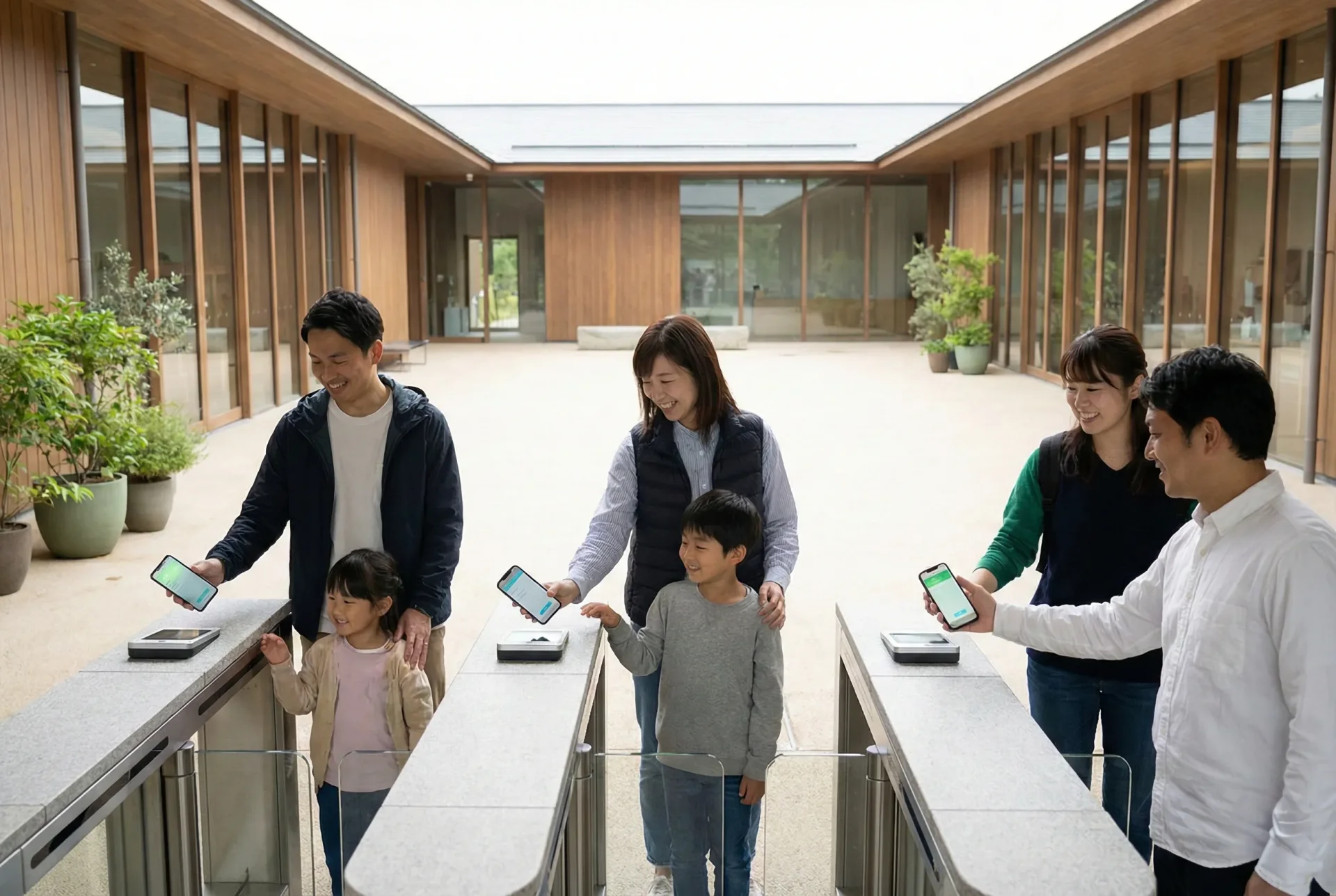
Therefore, a flexible ticketing system is crucial for the experience industry
The experience industry is constantly evolving. Today, guests expect more than simply access to an attraction, an event, or an activity. They expect choice, flexibility, and a cohesive experience from purchase to completion. In this development, the ticketing system plays a far greater role than before. It is no longer just a tool for selling access, but a central hub for revenue, capacity management, and the guest experience.
The ticketing system as a strategic business tool
For many players in the experience industry, the ticketing system has traditionally been viewed as a technical necessity. A place where tickets are issued, validated, and recorded. But as competition has intensified and guest expectations have risen, the ticketing system has become a strategic tool with direct impact on the bottom line.
A modern ticketing system makes it possible to think in terms of products rather than just tickets. It creates a platform where the experience can be assembled, differentiated, and tailored to different target groups. At the same time, it gives the business better insight into demand, behavior, and purchasing decisions.
Why upselling is essential in the experience industry
Upselling is one of the most effective ways to increase revenue without having to attract more guests. Once a guest has decided to purchase a ticket, their willingness to add extra services is significantly higher. A ticketing system with many upselling options makes it possible to leverage this potential in a structured and scalable way.
Upselling can take many forms. It can range from food and beverages, merchandise, and cloakroom services to guided tours, priority access, or special experience packages. What they all have in common is that they increase the value of the visit for the guest while generating additional revenue.
An important aspect is that upselling should be presented at the right time. A flexible ticketing system can offer relevant add-ons directly in the purchase flow, where the guest is already engaged and motivated. This creates a natural connection between the ticket and the add-ons, rather than feeling like a forced sale.
Differentiated tickets create better control and experience
Not all guests are the same, and neither are their needs. That is why it is crucial to be able to work with different types of tickets. A ticketing system that supports differentiation makes it possible to tailor access and terms to different segments.
Examples of differentiated tickets include standard tickets, child tickets, group tickets, VIP tickets, or time-slot tickets. Each type can have its own rules, prices, and restrictions. This gives the business the ability to manage both capacity and flow more precisely.
From the guest’s perspective, this creates transparency and freedom of choice. The guest can select the ticket that best fits their needs and budget, which increases satisfaction and reduces uncertainty before the visit.
Restrictions that strengthen operations
Restrictions in tickets are often perceived as something negative, but in practice they are an important tool for ensuring a good experience for all parties. An advanced ticketing system makes it possible to define clear frameworks for when and how tickets can be used.
This can include limits on the number of guests per time slot, access to specific zones, or validity on certain days. These mechanisms help avoid overcrowding, long queues, and stressed staff. At the same time, they ensure that guests experience the quality they expect.
For the experience industry, this is particularly important during periods of high demand, when capacity is under pressure. Here, flexible ticket restrictions can make the difference between a chaotic day and a controlled, professional operation.
Financial benefits of flexible ticket structures
A ticketing system with many options for upselling and differentiation does not only provide a better guest experience. It also has a direct positive impact on financial performance. By working with different price points and add-ons, the business can optimize revenue without increasing the base price.
Dynamic ticket structures make it possible to take better advantage of low and high seasons. Lower prices or extra incentives can boost sales during quiet periods, while premium tickets and exclusive add-ons can maximize revenue during peak times.
At the same time, data from the ticketing system provides a solid foundation for future decisions. Insights into which tickets and add-ons sell best make it possible to continuously adjust the offering and improve the business.
The ticketing system as part of the overall guest journey
The guest experience does not start at the entrance. It begins the moment the guest considers purchasing a ticket. An intuitive and flexible ticketing system where website, webshop, and ticketing system are unified is therefore a central part of the overall guest journey.
When the guest is presented with a clear ticket selection, relevant add-ons, and transparent information about terms, a sense of security and expectation alignment is created. This reduces questions, complaints, and uncertainty – both before and during the visit.
After the visit, the ticketing system can also form the basis for continued dialogue, loyalty, and repeat visits. This makes the system a long-term asset rather than just a sales tool.
Why Flex4B is an obvious choice for the experience industry
Flex4B is developed with the specific needs of the experience industry in mind. The system combines advanced upselling capabilities with flexible handling of ticket types and restrictions, without compromising on usability.
With Flex4B, experience businesses can easily build different ticket products, define precise terms, and offer relevant add-ons throughout the entire purchase flow. This provides both better control and increased revenue.
At the same time, Flex4B is a SaaS solution that is continuously developed in line with the industry’s requirements. This means the system can be adapted to new business models, changing guest expectations, and growing needs without heavy technical dependencies.
For the experience industry looking to professionalize ticket sales and fully leverage the potential of upselling and differentiated tickets, Flex4B stands out as a solid and future-proof choice.
Questions and answers about ticketing systems in the experience industry
What are the benefits of upselling in a ticketing system?
Upselling increases total revenue per guest and makes it possible to offer a more complete experience that matches different needs and preferences.
Why are differentiated tickets important?
Differentiated tickets provide better capacity management and make it possible to address multiple target groups with relevant offers.
How can ticket restrictions improve the guest experience?
Restrictions ensure that there are not too many guests at the same time, creating better flow, shorter waiting times, and higher quality.
Are flexible ticketing systems only relevant for large operators?
No, both small and large experience businesses can benefit from flexibility, as it enables better use of resources and increased revenue.
How does Flex4B support the needs of the experience industry?
Flex4B supports upselling, complex ticket structures, and precise restrictions in one unified system that is easy to work with.